
Un ejemplo de lo que no se debe hacer como profesor ante la IA/IAG-An example of what not to do as a teacher in the face of AI/GenAI
Un profesor dice: "Mandar trabajos no sirve porque los alumnos usan ChatGPT"- A teacher says: "Sending papers is no good because students use ChatGPT".
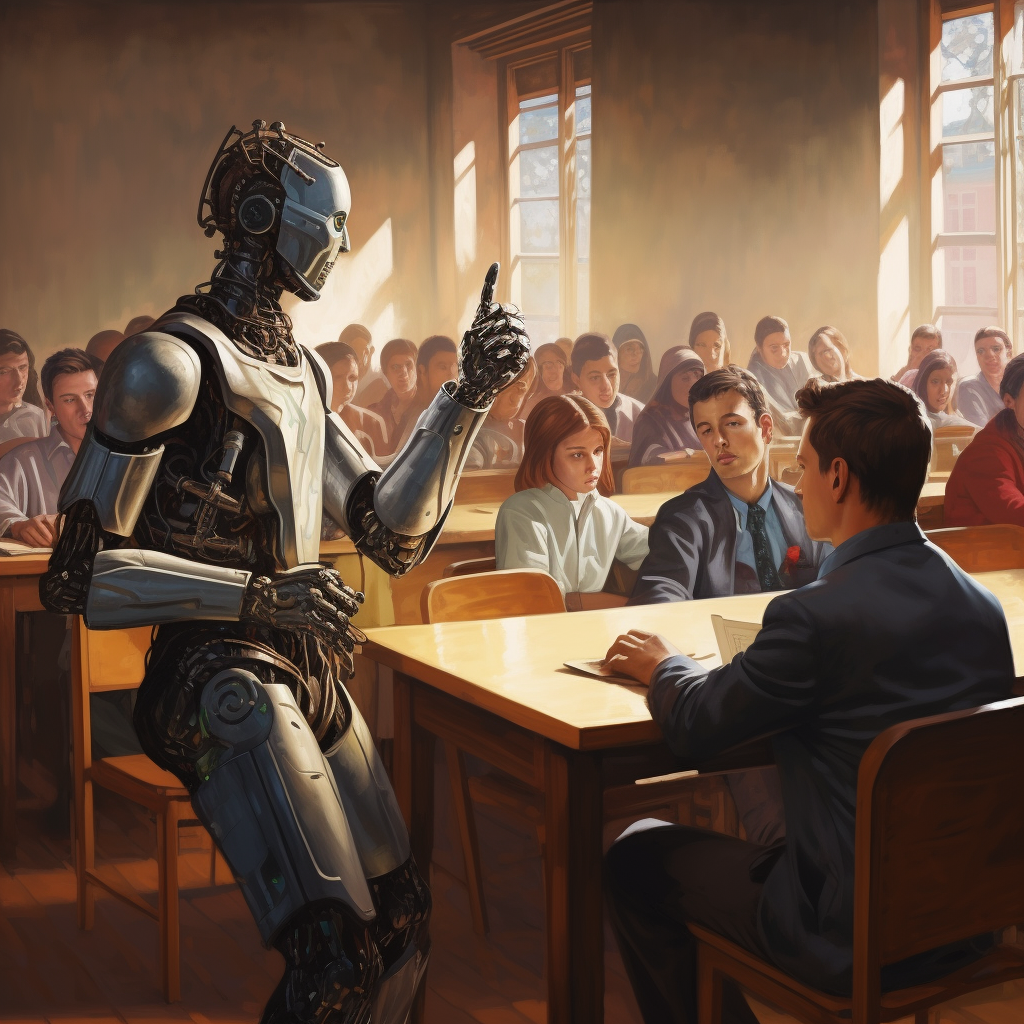
El artículo en cuestión destaca un desafío significativo en la educación contemporánea. La emergencia de la inteligencia artificial, especialmente herramientas como ChatGPT, ha introducido un amplio rango de oportunidades en el ámbito del aprendizaje y la interacción con la información. No obstante, según se subraya en la entrevista, estas herramientas también han planteado retos relacionados con la evaluación y la autenticidad del trabajo presentado por los estudiantes. Puedes encontrarlo en el periódico El Mundo y también hablan de él en Genbeta.
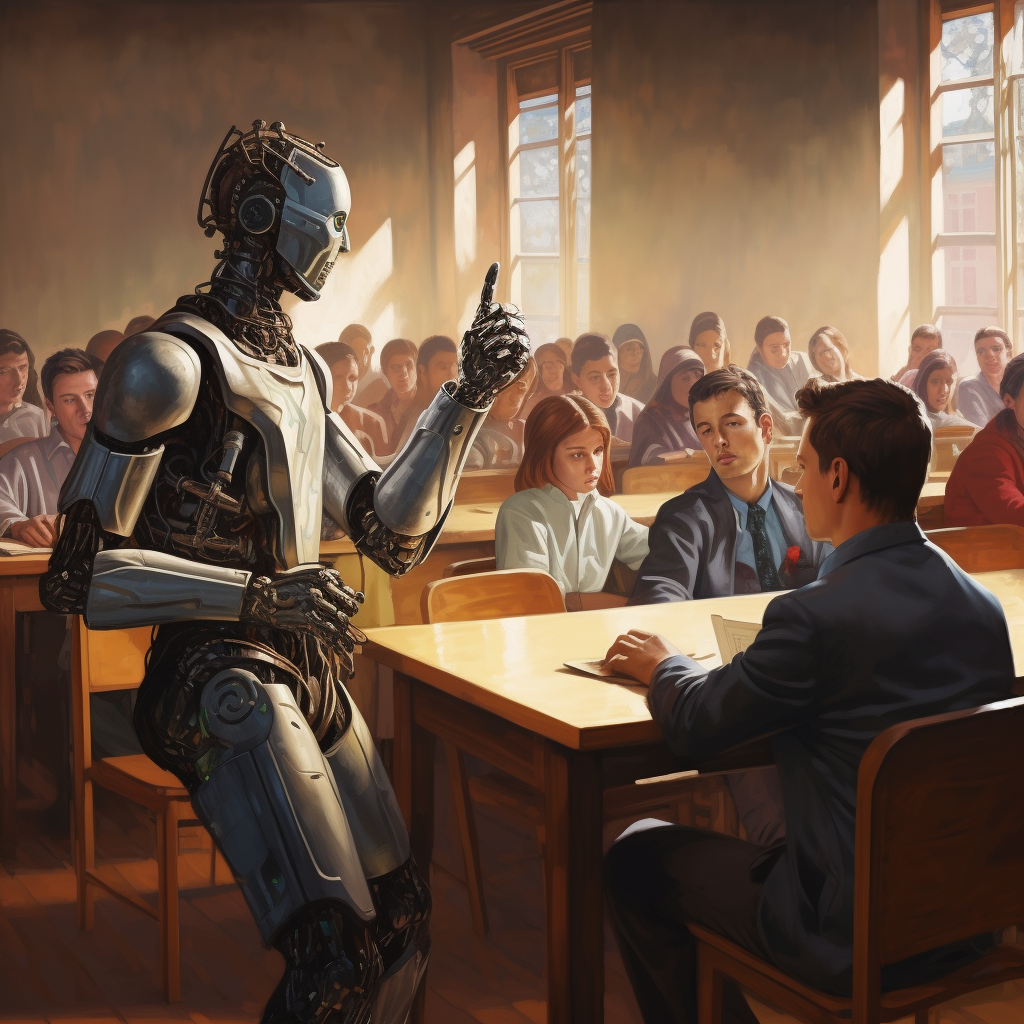
Aquí hay algunas reflexiones sobre los puntos clave de la entrevista que nos hace reflexionar y establecer los siguientes puntos:
- Evaluación Tradicional vs. Moderna: El regreso al examen tradicional puede verse como un retroceso, pero también refleja una adaptación necesaria a la realidad actual. Los métodos de evaluación deben evolucionar para garantizar que los estudiantes realmente comprendan y procesen la información, en lugar de simplemente recopilarla.
- Uso de la IA en la Educación: Si bien es cierto que la IA puede generar respuestas y trabajos que parecen auténticos, también ofrece oportunidades para personalizar el aprendizaje y proporcionar retroalimentación instantánea. La clave está en cómo se integra en el aula y en eso esta dirigido este blog para que usted aprenda cómo hacerlo mejor.
- Detección de Plagio y Originalidad: Las herramientas actuales de detección de plagio pueden no ser suficientes para detectar respuestas generadas por IA. Sin embargo, la solución no es simplemente regresar a los métodos antiguos, sino encontrar formas innovadoras de evaluar la originalidad y el pensamiento crítico de los estudiantes.
- Preparación de los Estudiantes: La observación de que los estudiantes actuales pueden estar menos preparados para la lectura y el análisis crítico es preocupante. Esto subraya la importancia de equilibrar la tecnología con habilidades fundamentales como la lectura y la escritura.
- Tecnología en el Aula: La tecnología, cuando se usa correctamente, puede ser una herramienta poderosa para mejorar la educación. No obstante, es fundamental que los educadores comprendan sus limitaciones y cómo puede influir en el aprendizaje.
- Brecha Generacional: La diferencia en cómo las generaciones más jóvenes y las más viejas interactúan con la tecnología es evidente. Es esencial que los educadores se adapten y comprendan estas diferencias, pero sin comprometer la calidad y profundidad del aprendizaje.
En general, esta entrevista destaca un debate importante en la educación moderna. La tecnología y la IA tienen un papel que desempeñar en el aula del futuro, pero es fundamental que se utilicen de manera que complementen, en lugar de reemplazar, las habilidades esenciales y el pensamiento crítico.
TRANSLATE TO ENGLISH:
The article in question highlights a significant challenge in contemporary education. The emergence of artificial intelligence, especially tools such as ChatGPT, has introduced a wide range of opportunities in the field of learning and interaction with information. However, as highlighted in the interview, these tools have also raised challenges related to the assessment and authenticity of work submitted by students. You can find it in the newspaper El Mundo and they also talk about it in Genbeta.
Here are some reflections on the key points of the interview that make us reflect and establish the following points:
Traditional vs. Modern Assessment: The return to traditional testing can be seen as a step backwards, but it also reflects a necessary adaptation to the current reality. Assessment methods must evolve to ensure that students actually understand and process information, rather than simply collect it.
Use of AI in Education: While it is true that AI can generate answers and assignments that appear authentic, it also offers opportunities to personalise learning and provide instant feedback. The key is how it is integrated into the classroom and that's what this blog is aimed at helping you learn how best to do it.
Plagiarism and Originality Detection: Current plagiarism detection tools may not be sufficient to detect AI-generated responses. However, the solution is not simply to revert to old methods, but to find innovative ways to assess students' originality and critical thinking.
Student Preparation: The observation that today's students may be less prepared for critical reading and analysis is worrying. This underscores the importance of balancing technology with foundational skills such as reading and writing.
Technology in the Classroom: Technology, when used correctly, can be a powerful tool for improving education. However, it is critical for educators to understand its limitations and how it can impact learning.
Generation Gap: The difference in how younger and older generations interact with technology is evident. It is essential that educators adapt to and understand these differences, but without compromising the quality and depth of learning.
Overall, this interview highlights an important debate in modern education. Technology and AI have a role to play in the classroom of the future, but it is critical that they are used in a way that complements, rather than replaces, essential skills and critical thinking.